
How does a developer like PCD make sure the opinions, needs, or concerns of local residents and businesses are valued and have a say in a commercial development to cultivate their interest and desire to support a new real estate project?
Take every opportunity to engage with stakeholders
Authenticity is in the eye of the beholder, so it is imperative that commercial real estate developers use every tool to survey the community. There is no catch-all. Surveys, town halls, and charrettes are some of the opportunities Planned Community Developers uses to gather data and build support. Each type of engagement is different method to cultivate trust, reduce opposition, and even get the local market to more enthusiastically support a development, promote it in-person or online, and even patronize the business tenants when complete.
- Surveys allow developers to gather valuable feedback from both residents and business owners to reveal their preferences, concerns, and needs related to planned developments that they might not otherwise voice. This information and data can inform key decisions like the type of businesses to attract, what the scale of the project should be, or making sure the amenities on-deck align with community expectations.
- Open dialogue in Town Halls provide a more transparent method of engagement between CRE developers and the public. The forum encourages residents to voice their opinions, ask questions, and feel included in the planning process while developers are able to address misconceptions and explain the vision. The goodwill can build relationships with local stakeholders to mitigate resistance and ease the approval processes with government representatives.
- The ultimate example of community involvement are Charrettes where developers integrate the local community directly into the design and planning. Collaborative workshops is the opportunity to bring together citizens, planners, and architects to work on concepts. It really is an exceptional method to uncover innovative solutions that resonates with locals and enhance a real estate development's appeal to those with a vested interest.
A shining example of commercial real estate development shaped by community feedback
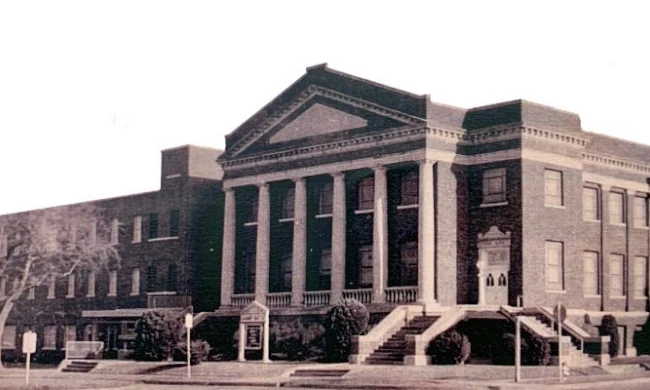
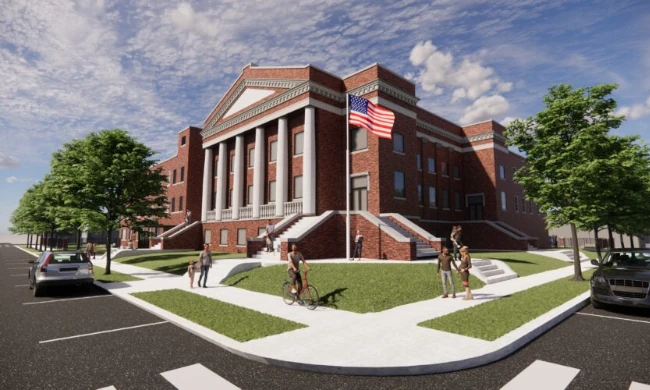
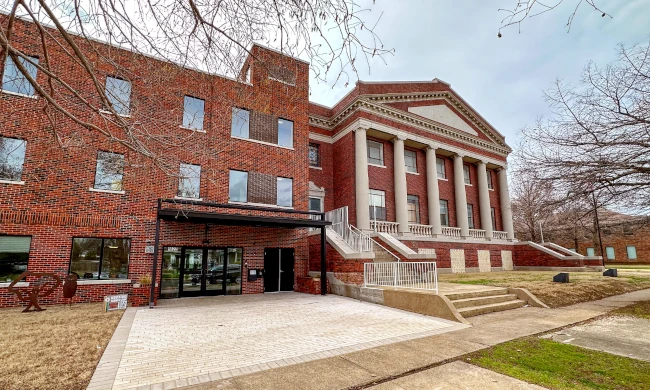
Having been molded by the local community and stakeholders, the redevelopment of the Calvary Baptist Church in the Oak Cliff community in Dallas, into The Kessler School’s new campus has been celebrated as an exceptional example of extensive community engagement. After the church congregation voted unanimously to sell the property to the school, despite receiving higher offers for commercial development, the redevelopment transformed the space into an educational environment, sparking further revitalization in the neighborhood, including the opening of several local businesses.
A multitude of perspectives alleviates stakeholder concerns and cultivates trust
Real estate developments thrive when the team includes individuals from varied backgrounds, skill sets, and areas of expertise. PCD respects history and culture, and we respond to all those impacted by the development of real estate to foster positive interactions and relationships in the community. We create a sense of shared purpose that strengthens community buy-in with all stakeholders to plant the seed of approval and praise among both customers and tenants. The results are developments that not only meets market demands but also earns lasting community support, laying the groundwork for long-term success and positive impact.
Your Partner in Growth
The successful development of commercial real estate requires a partner, not just a builder or contractor. Over the course of 4 decades, we’ve learned that understanding the high-level goals of our clients and investors by listening attentively rather than preparing our next pitch or redirecting the conversation.
This allows PCD to pull from the diverse perspectives at the table. When varied people, skills, and personalities are engaged it ensures a truly successful community-inspired development.