
In the last decade, Medical Office Buildings (MOBs) have evolved from isolated, utilitarian commercial space into integral components of health-convenient commercial real estate. As the healthcare industry shifts to outpatient care and consumer-focused experiences, cities are seeing a trend where MOBs are being integrated into high-traffic mixed-use developments in retail corridors.
This convergence of healthcare and retail developments is a response to shifting demographics, technological adoption, and consumer expectations.
A resilient, demand-driven asset class with stable tenants and long-term growth potential
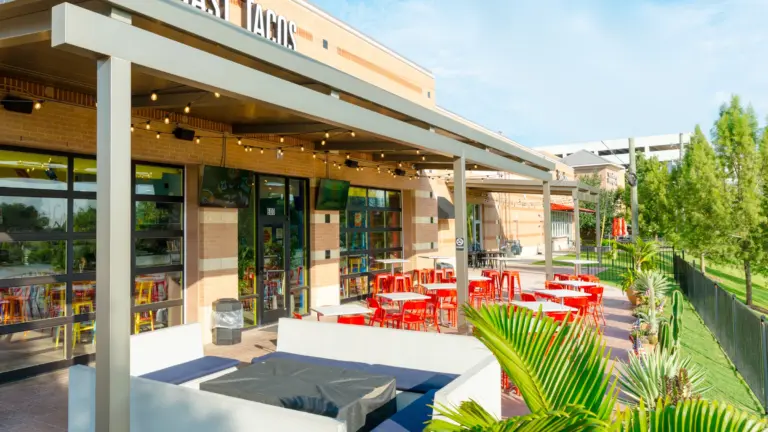
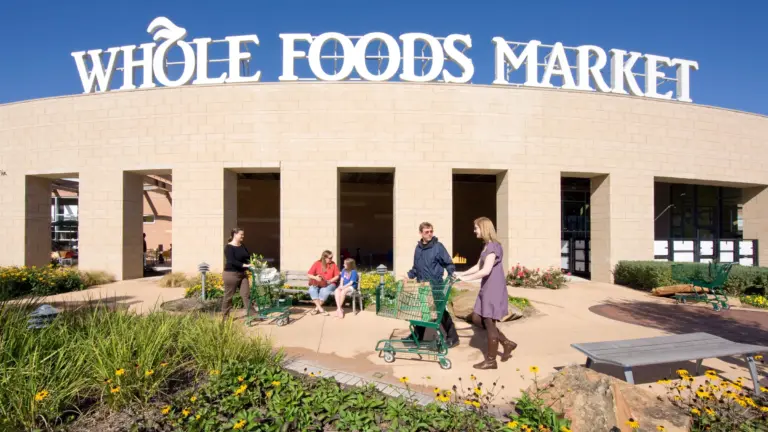
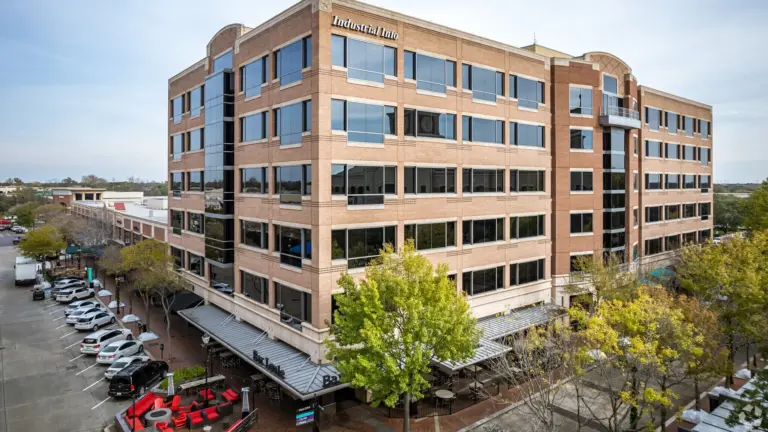
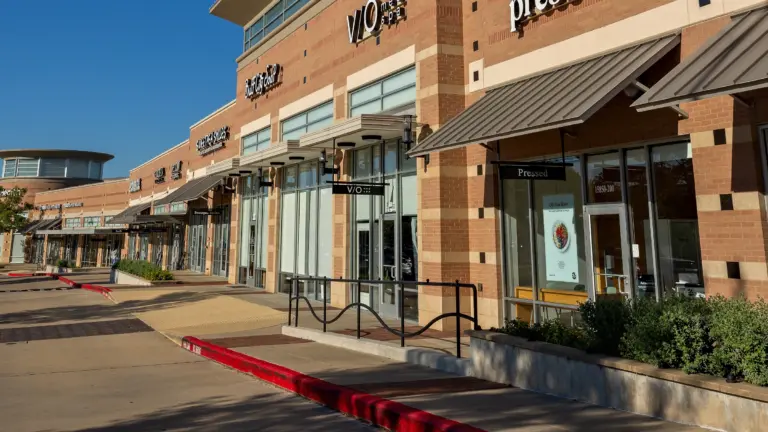
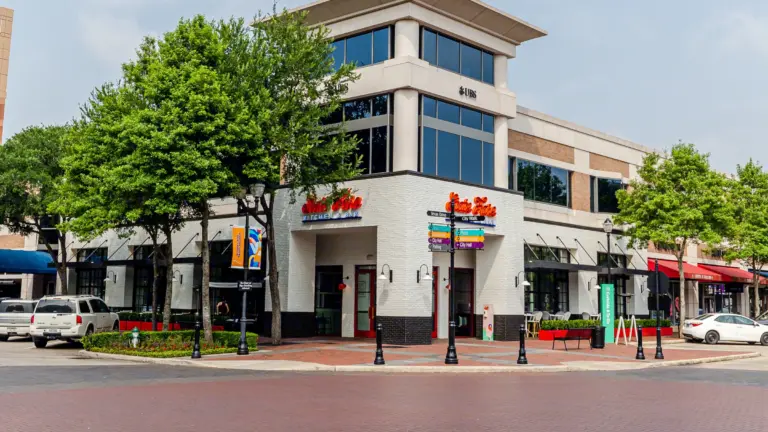
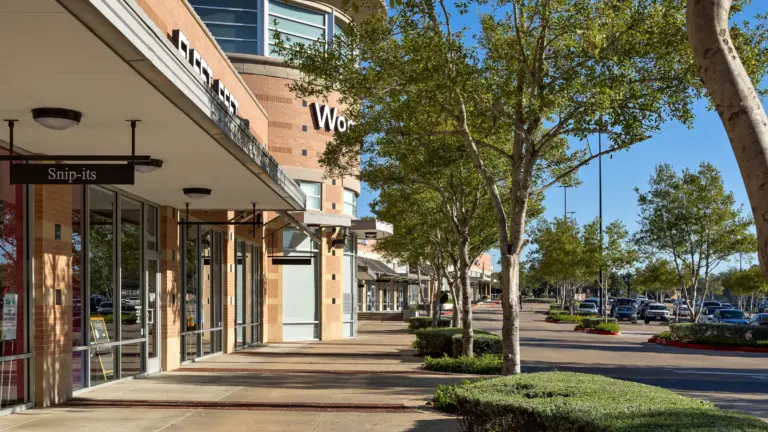
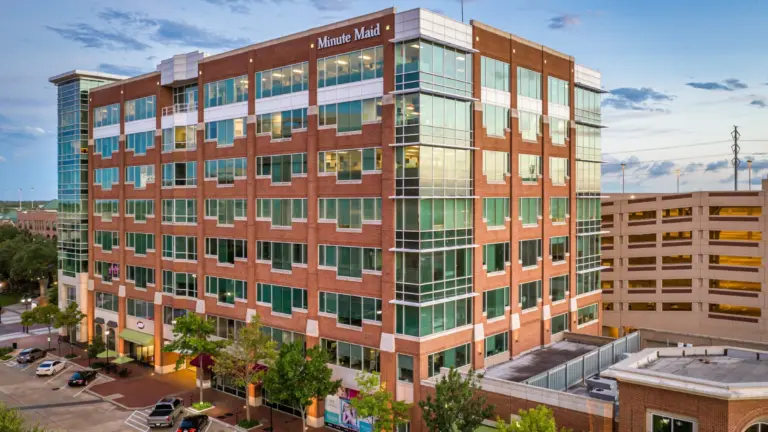
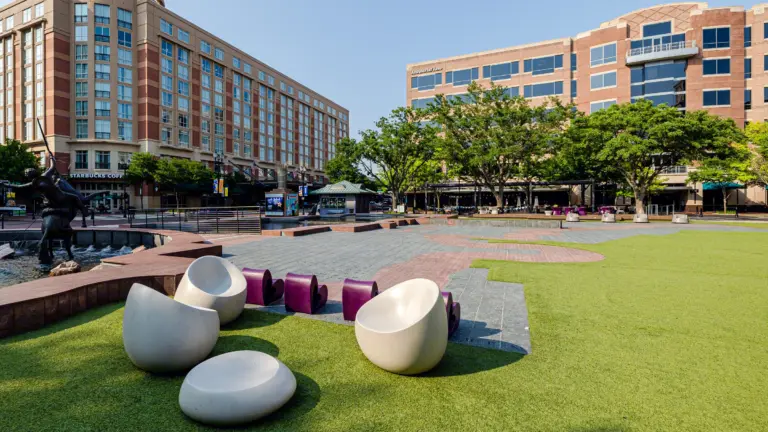
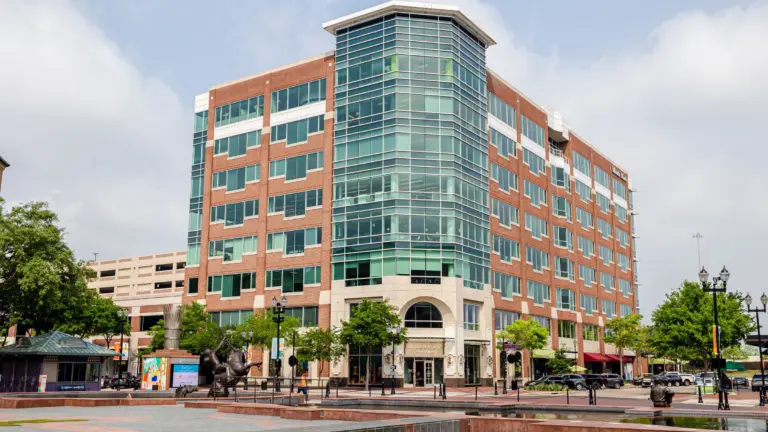
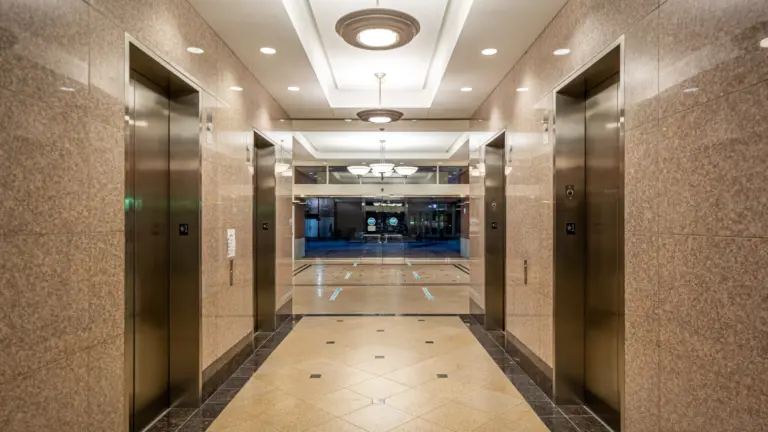
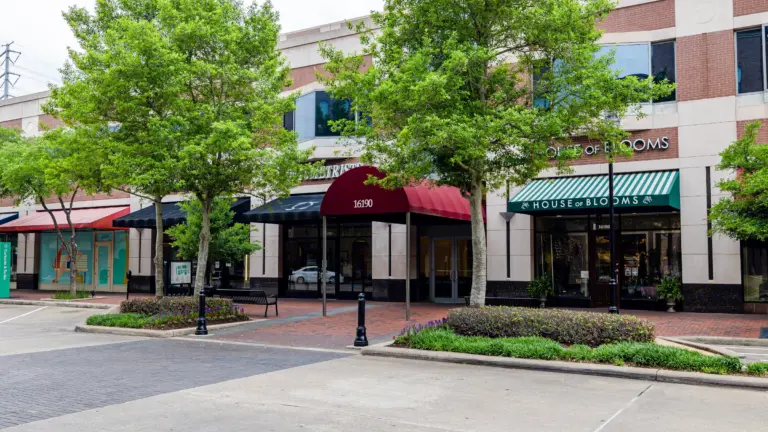
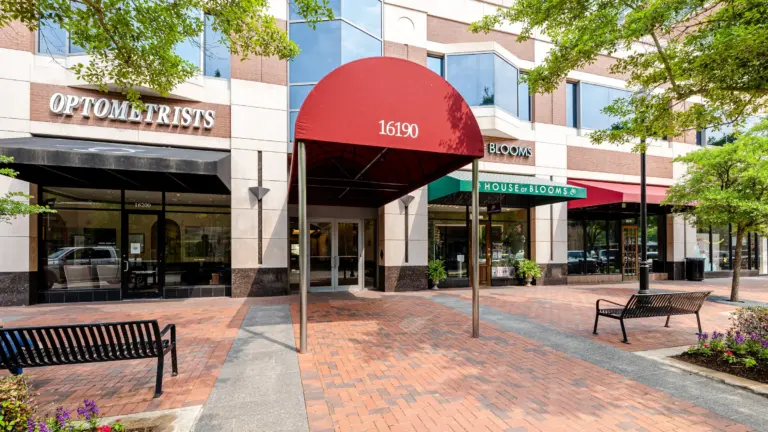
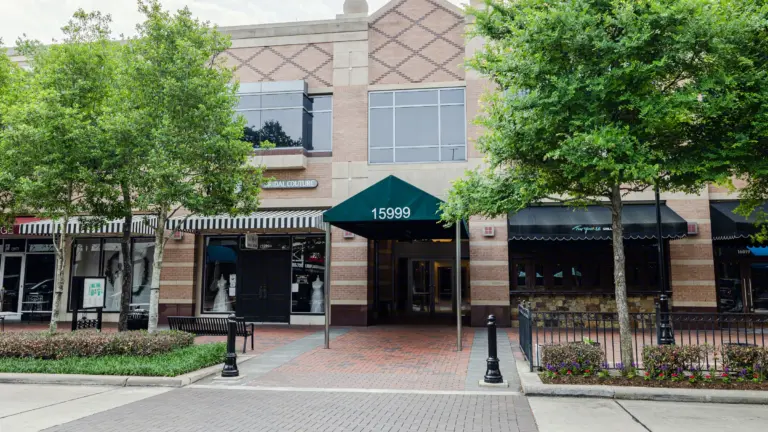
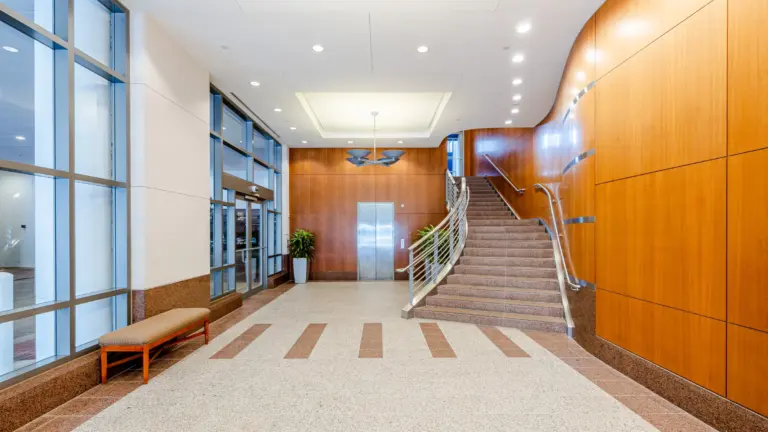
Sugar Land Mixed-use Developments
Demand for Health Access in Retail-Like Environments
Modern healthcare consumers are looking for convenience. Patients increasingly prefer to access care in environments that feel more like retail or hospitality than traditional hospitals. From urgent care to physical therapy to diagnostic imaging, many services no longer require a hospital setting. Consumers expect easy parking, walkable access, and minimal wait times, all within a familiar retail-like environment. This demand is driving developers to locate MOBs in places people already frequent. Many are now near grocery-anchored centers, suburban retail strips, or next to coffee shops and fitness options in order to blend healthcare into the daily flow of life.
Integrating MOBs Into Mixed-Use Projects
Medical uses are now a strategic fit within mixed-use developments. We’re seeing MOBs integrated alongside restaurants, office space, apartments, and boutique retail. They even occupy prominent positions within the master plan. This adds daytime foot traffic, improves the overall service mix, and attracts a broad demographic. A wellness-oriented tenant mix (dermatology, orthopedics, dentistry, and/or women’s health) can complement everything from residential units to cafés and gyms. These integrations improve tenant interdependence, provide steady lease income, and help activate developments beyond the traditional 9-to-5 office cycle.
Amenities & Tech Upgrades Are Essential
Buildings must accommodate telehealth infrastructure, advanced HVAC systems for air quality, and flexible floor plates for evolving clinical layouts. Developers who truly understand these expectations and are willing to deliver Class A features are better positioned to attract top-tier tenants and long-term leases.
Going a step further, modern MOBs are more about the visitor experience than the convenience of the location. Patients now expect a higher standard of design, technology, and service than ever before. That means high-speed connectivity, intuitive layouts, and hospitality-inspired interiors. In many cases, healthcare tenants are willing to pay a premium for space that supports their brand and operational efficiency.
Partner With Healthcare Systems
Successful MOB development increasingly depends on strategic partnerships with health systems and physician groups. These relationships provide anchor tenants, long-term leasing commitments, and credibility for any project. Health systems are always looking to expand outpatient services into the communities they serve through partnerships to mitigate risk rather than owning and managing property themselves. Developers who can structure build-to-suits with providers are creating win-win scenarios: improved community health access for the provider and stable, recession-resistant assets for the investor.
Why Engage Planned Community Developers
Purpose
We work to develop mixed-use developments by working to understand and respond to the unique needs of the investors or clients we serve.
Leaders
We employ dynamic, experienced leaders who are passionate about serving and dedicated to leading the industry with our projects.
Long-term
We maintain long-term relationships by connecting the community and our clients' desires to grow, innovate and develop genuine partnerships.
Independent
Independently owned, we maintain the agility required to innovate sustainable approaches and respond to emerging opportunities.