
When property developers refer to “community-inspired real estate,” they are emphasizing developments that are designed with the needs, values, and input of the local community in mind. The concept focuses on creating spaces that not only serve the functional and financial interests of the developers but also prioritize the social, cultural, and environmental aspects of the area. This approach involves actively engaging with the community throughout the planning and development process to ensure that the project enhances the local neighborhood, promotes a sense of belonging, and aligns with the aspirations of its residents.
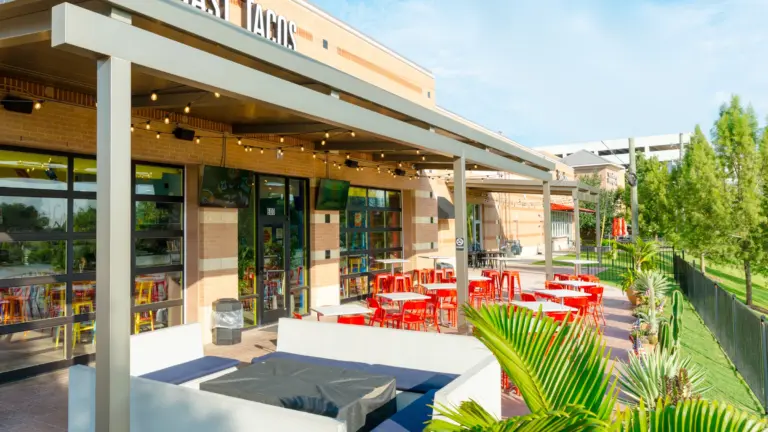
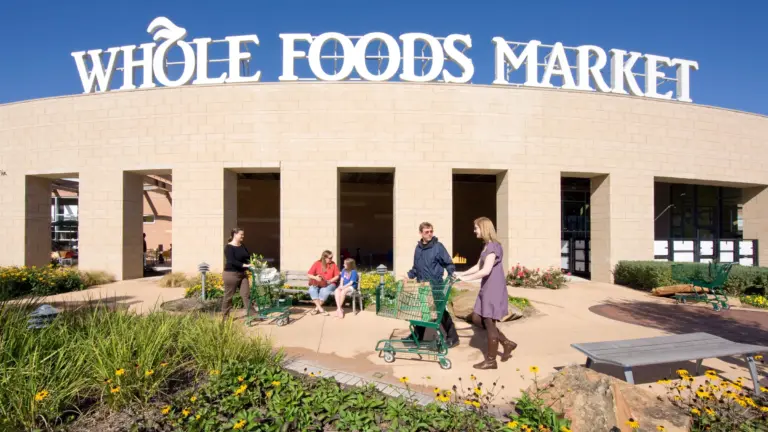
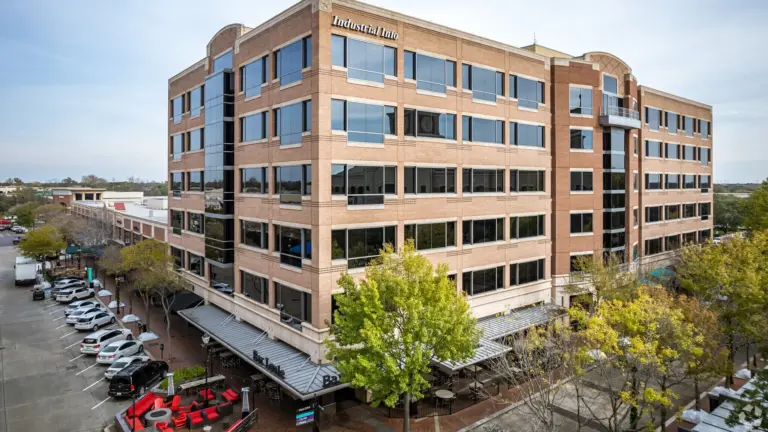
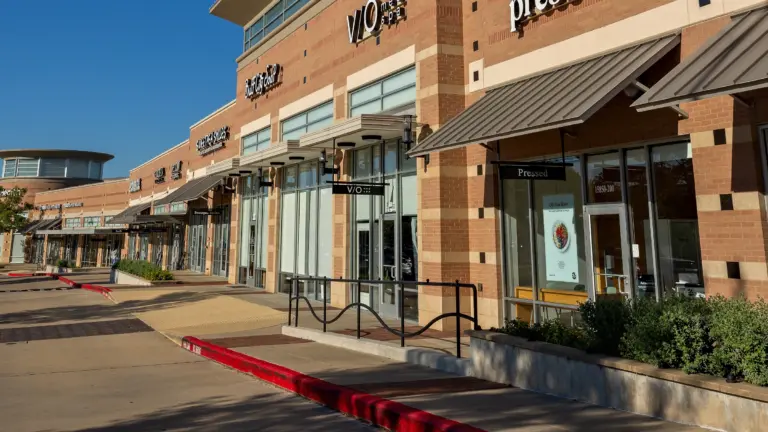
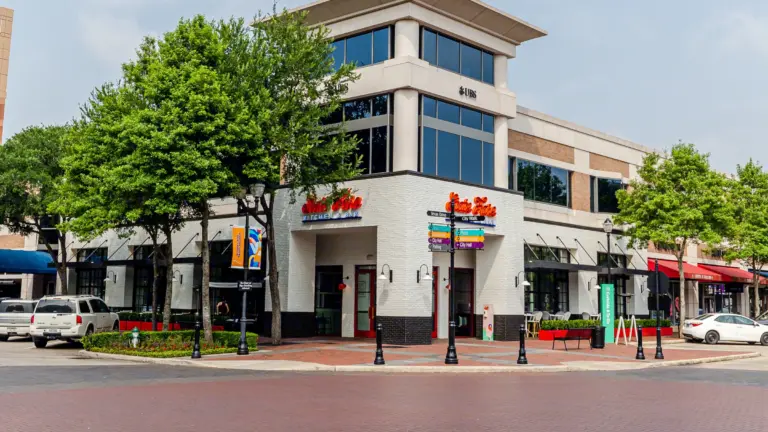
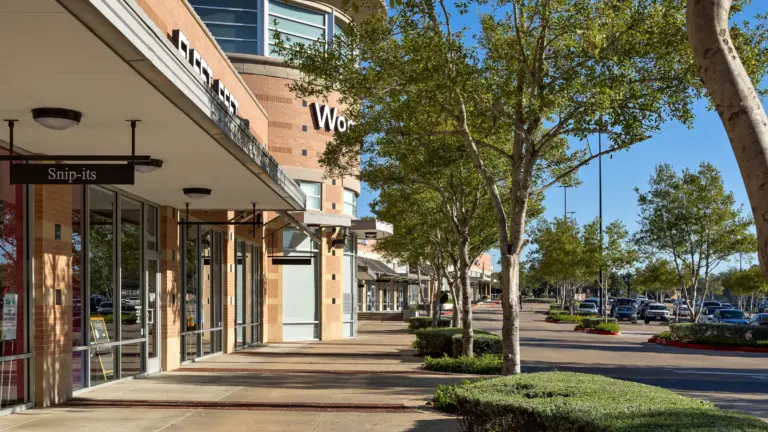
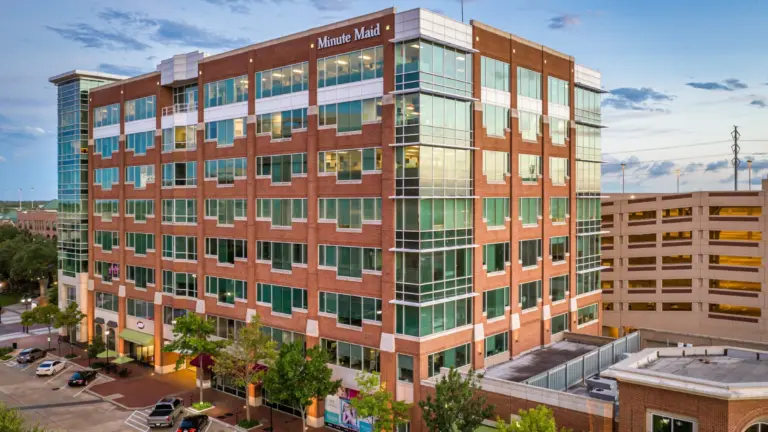
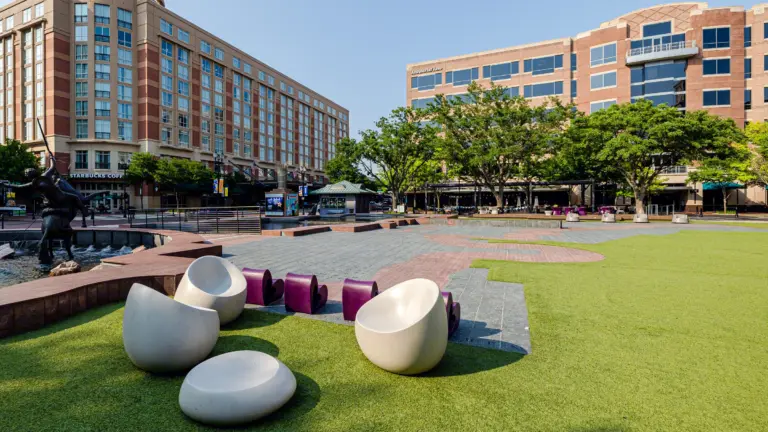
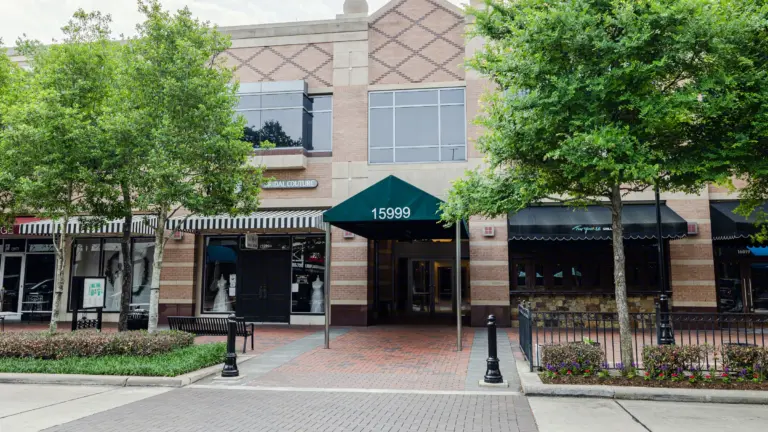
For 40 years, Planned Community Developers (PCD) has developed community-inspired real estate. We are known for our ambitious, vibrant, thriving built environments. Our distinguished portfolio includes the 10,000-acre First Colony master-planned community, ~ 3 million square feet of office, industrial and retail mixed-use development, 376-acre Rivers Edge development, the 1.2 million square foot Sugar Land Town Square, and the 190-acre Lake Pointe Town Center mixed-use development and the 53-acre Lake Pointe Plaza.
While outmoded commercial real estate development prioritized short-term profitability for investors (not the community), the focus used to be on maximizing square footage, minimizing costs, and trying to reach the broadest market possible. Rather than engaging with local community and its culture to understand long-term goals, developers of old eschewed real stakeholder involvement short-changing not only the local community but their own long-term returns as well.
Community-inspired Real Estate Trends
We’re seeing the continued need for Community Engagement through public consultations, workshops, and surveys to gather feedback from local residents, businesses, and other stakeholders. This ensures projects reflect the unique identity and needs of the community.
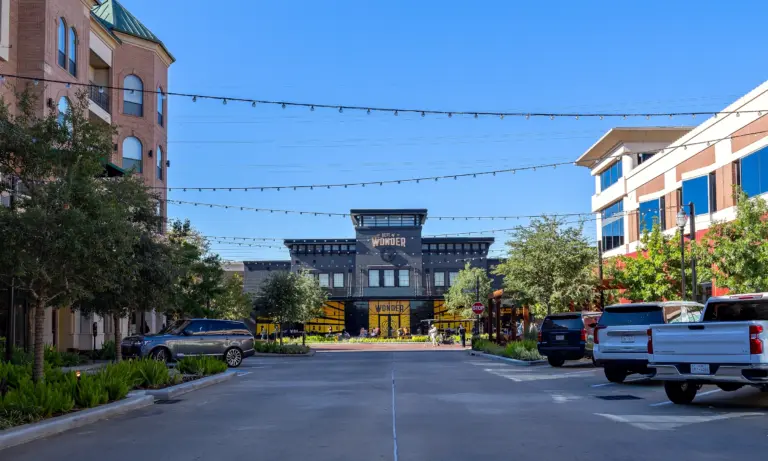
Mixed-Use Developments are still the trend, integrating residential (community spaces) , commercial (retail), and recreational spaces (green areas) to encourage interaction and improve quality of life for local residents.
In the 21st century, community-inspired developments must incorporate Sustainability (green building practices, renewable energy, and sustainable infrastructure) to reduce environmental impact and promote long-term community health.
Create a positive social impact, whether through job creation, fostering social inclusion, or supporting local culture and heritage. That’s what Social Responsibility will be about in 2025 – addressing global challenges through local development and local action.
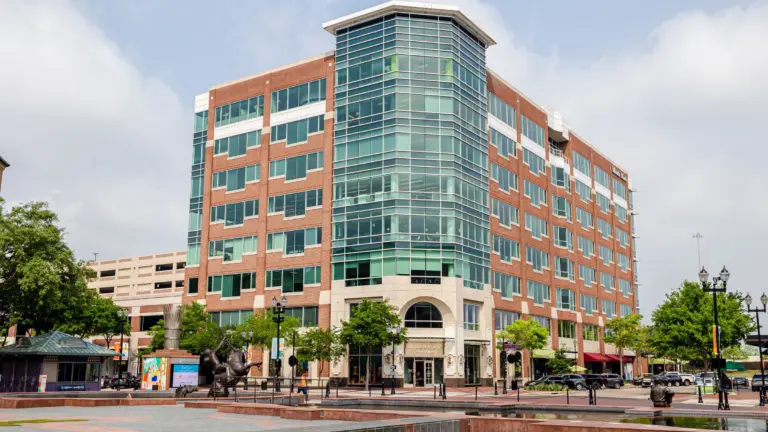
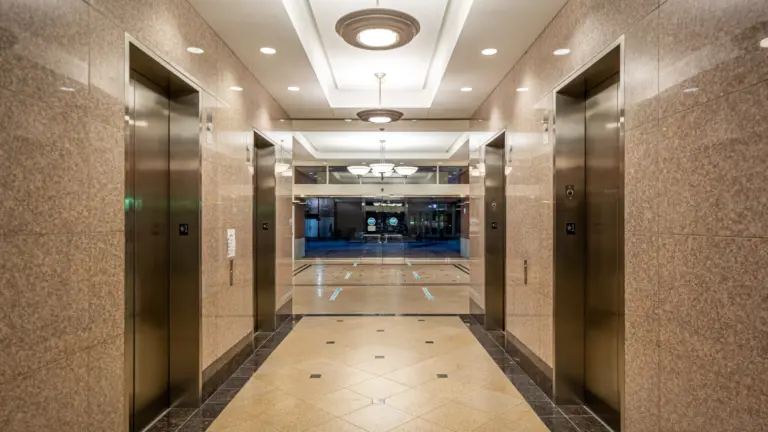
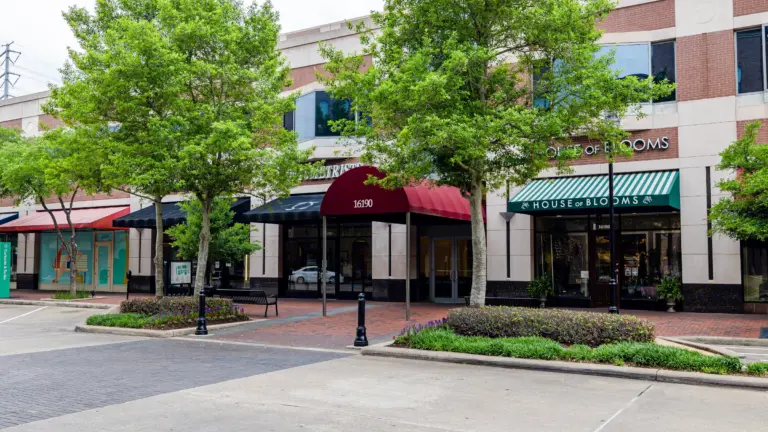
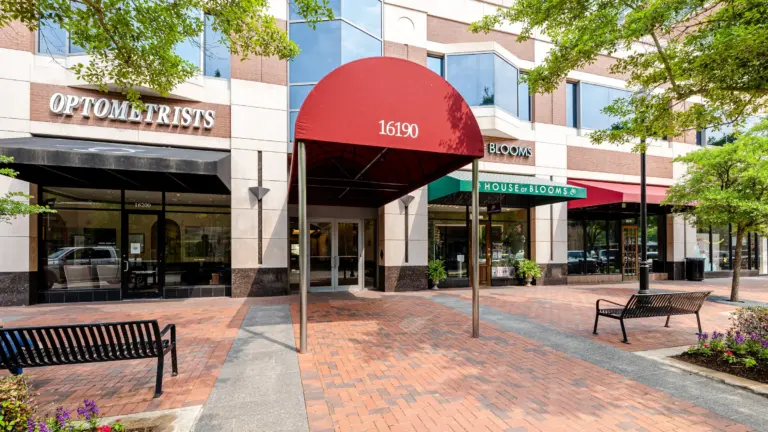
Why Engage Planned Community Developers
Purpose
We work to develop community-inspired destinations by understanding and responding to the unique needs of those we serve.
Leaders
We employ dynamic, experienced leaders who are passionate about serving and dedicated to leading the industry with our projects.
Long-term
We maintain long-term relationships by connecting the community and our clients' desires to grow, innovate and develop genuine partnerships.
Independent
Independently owned, we maintain the agility required to innovate sustainable approaches and respond to emerging opportunities.